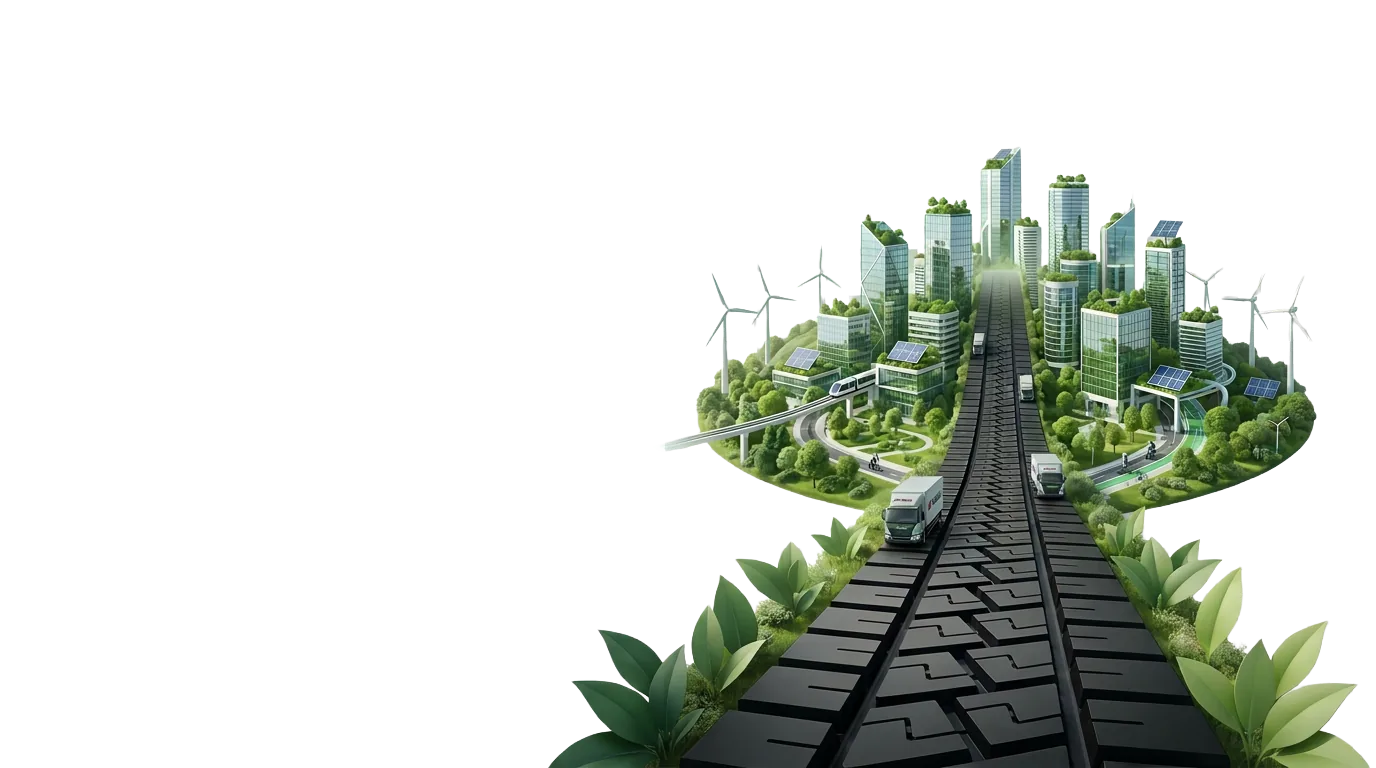
Retreading is a green
and sustainable
alternative to new tyres.
Driving better mileage, lower operating cost,
and a more sustainable future for every fleet.
Retreading
What Is
Retreading?
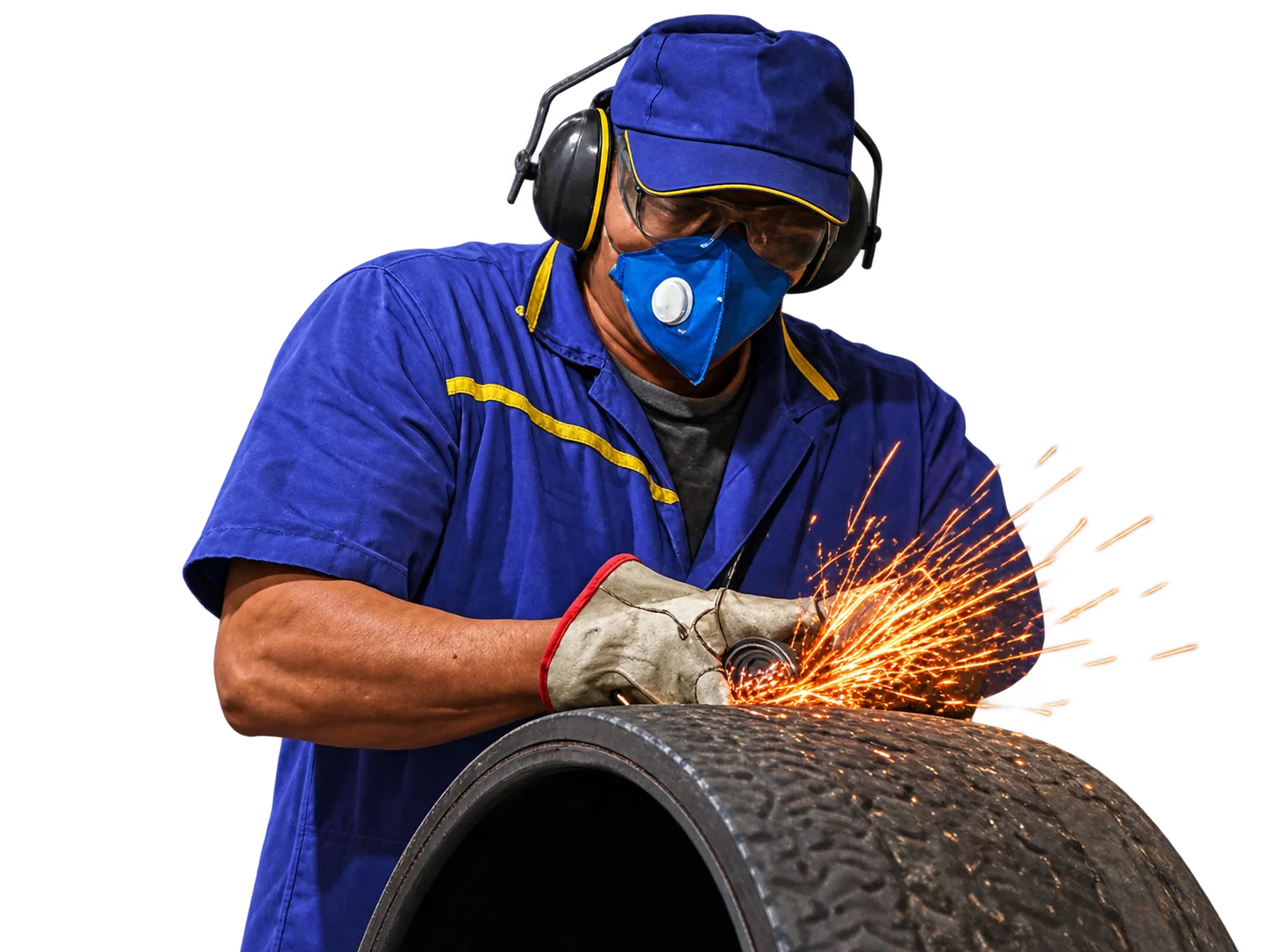
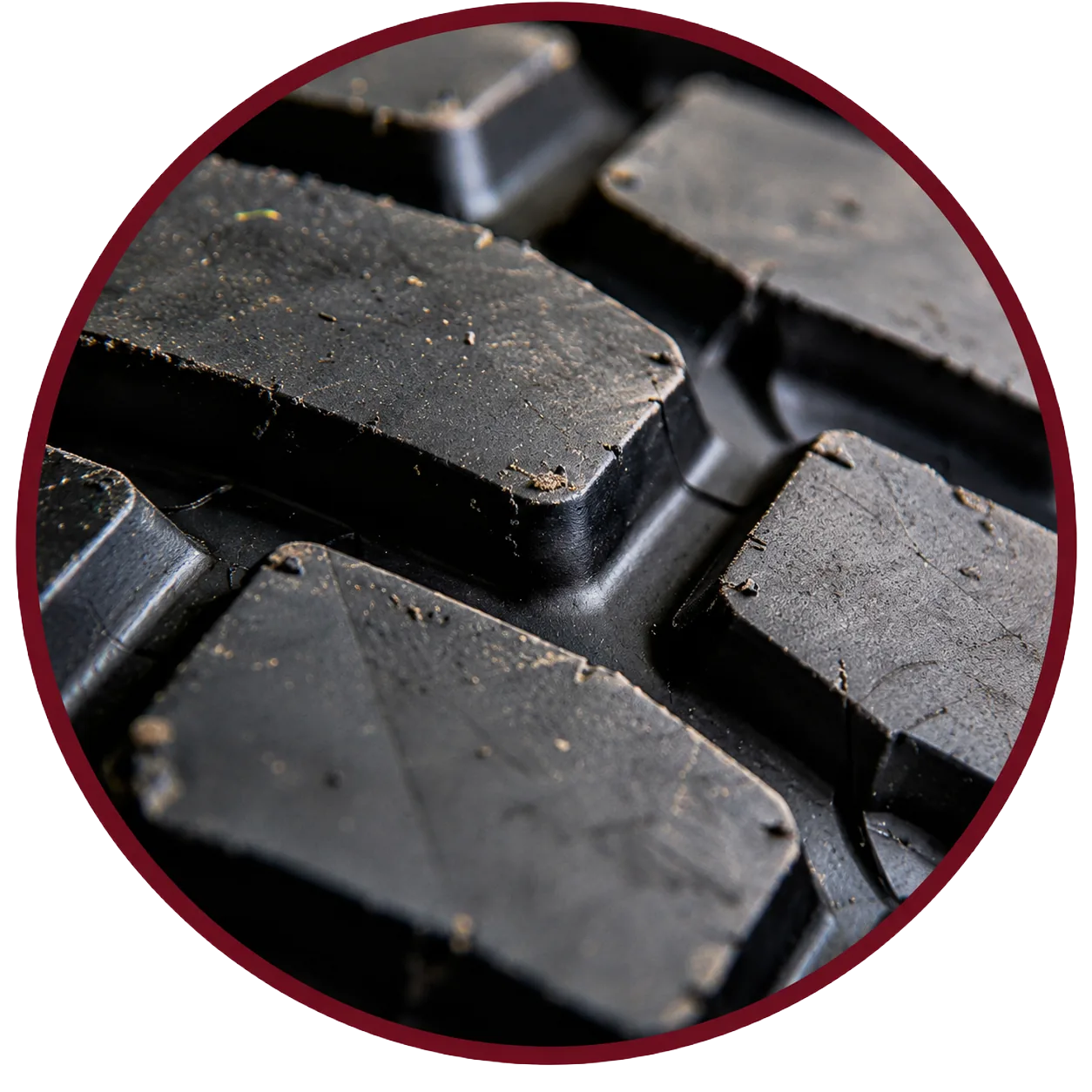
Retreading renews worn-out tyres by replacing the tread.
It helps enhance tyre life, reduce cost, and support sustainability.
A trusted solution for commercial and fleet tyres.
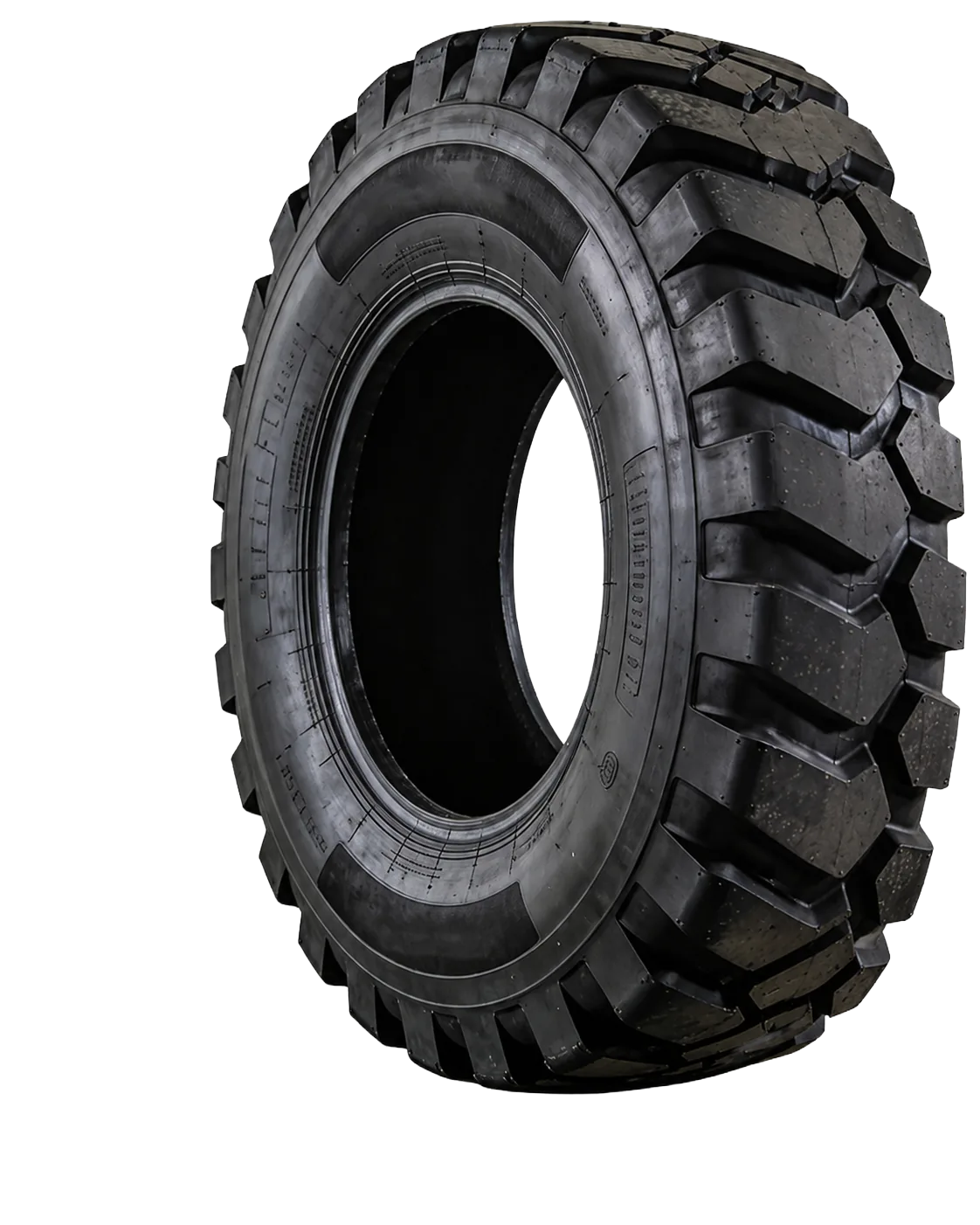




Why Should You Choose Retreading?
A.) Retreading is Environment-Friendly
Oil Saving
Uses fewer raw materials.

CO2 Reduction
Helps lower carbon footprint.

Landfill Reduction
Reduces casing waste.
Retreading saves resources, lowers emissions, and reduces tyre waste.
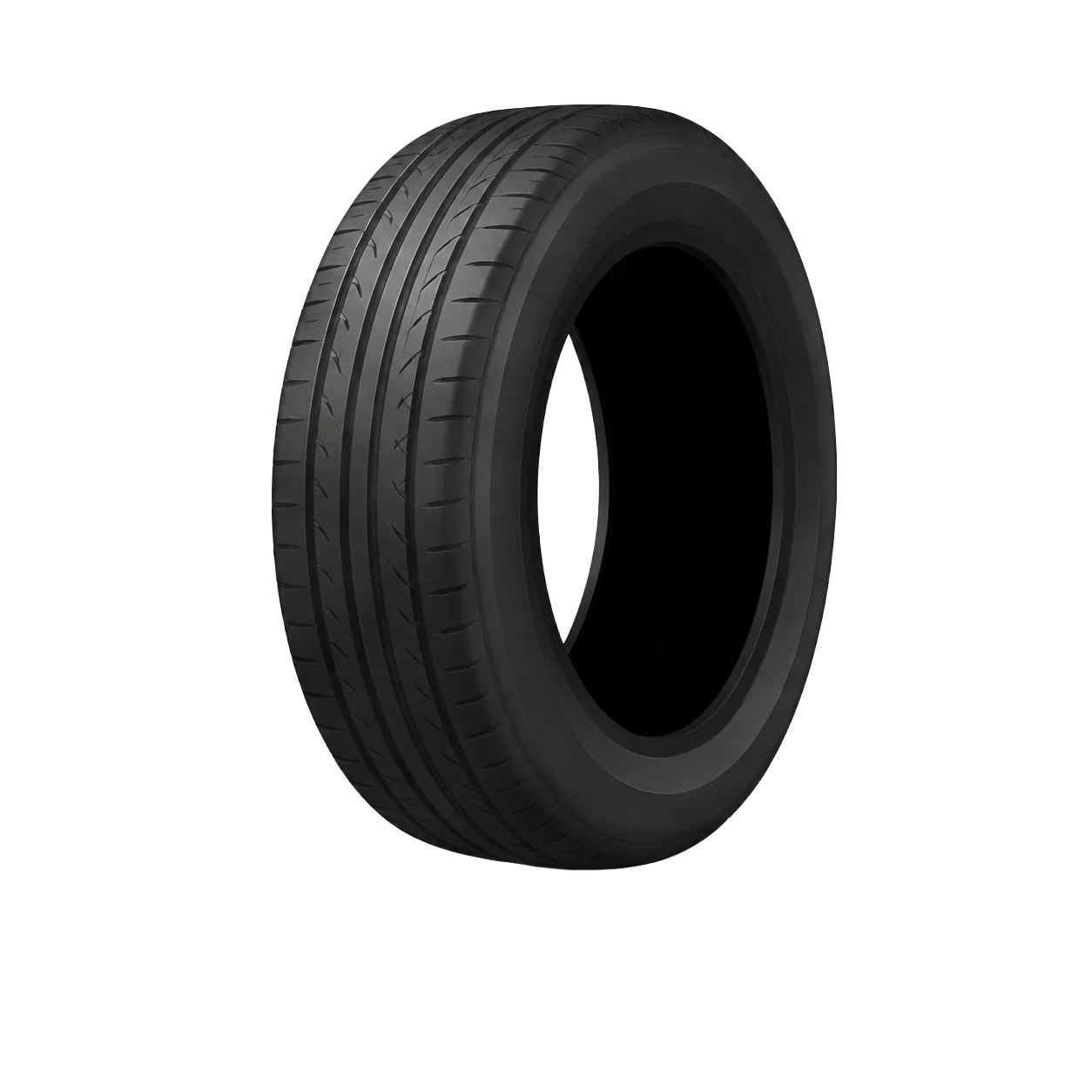
B.) Retreading Means Savings

Cost Saving
Costs less than a new tyre.
Mileage
Reliable performance on road.
CPKM Saving
Helps reduce running cost.
Retreading helps reduce cost while delivering dependable tyre performance.
Key Concerns About Retreading
Quick facts to clear common doubts about retreaded tyres.
Is Retreading Safe?
Quality retreaded tyres are safe for commercial use.
Does Retreading Cause Failures?
Failures usually come from poor casing, maintenance, or workmanship.
Do Retreaded Tyres Perform Well?
With the right process and material, they perform reliably.
How To Avoid Retread Failure
Dos
Right casing
Quality tread rubber
Quality Retreading Process
Don'ts
Use of damaged casing
Poor workmanship
Low quality material
How Can We Maximize The Performance Of Retreaded Tyres?
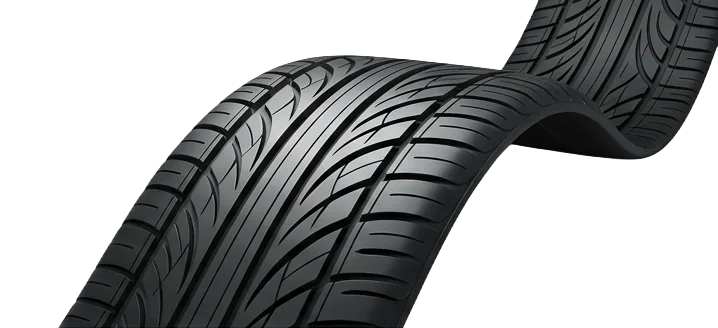
Retreaded tyre performance depends on material quality, correct tread-pattern selection, and high-performance compounds.
Follow the Best Retreading Practices
Skilled workers and calibrated machinery are essential for quality retreading.
Every step of the retreading process must be done with precision.
Avoid shortcuts that can affect tyre quality and safety.
INDAG recommends its proven 10-step retreading process.